Bearings – Types, Applications & How to Choose the Right Bearing
Bearings are essential mechanical components designed to support and guide the movement of rotating shafts while reducing friction between moving surfaces. They help shafts operate smoothly and efficiently under both radial and axial loads. Bearings also support and transfer loads generated by rotating shafts and machine components, contributing to reliable machine performance and longer service life.
What Are the Main Types of Bearings?
Bearings can generally be divided into two main categories based on their operating principle:
- Plain Bearings (Friction Bearings)
- Rolling-Element Bearings (Anti-Friction Bearings)
1. Plain Bearings
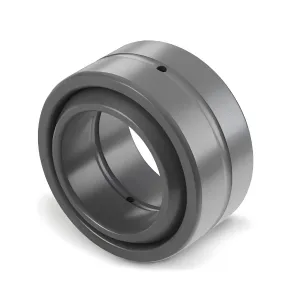
Plain bearings, also known as friction bearings or sleeve bearings, operate without rolling elements. They typically consist of a hollow cylindrical surface that supports a rotating shaft.
The rotating portion of the shaft that contacts the bearing is known as the journal, while the bearing itself is commonly referred to as a journal bearing. Plain bearings can be manufactured from various materials, including metals, metal alloys, and engineering plastics, depending on the operating conditions and application requirements.
Plain bearings are commonly used where simple construction, low maintenance, or specific load and speed requirements are important.
2. Rolling-Element Bearings
Rolling-element bearings, also known as anti-friction bearings, use balls or rollers between the inner and outer rings to reduce friction and support rotating shafts.
They are broadly divided into two main types:
2.1 Ball Bearings
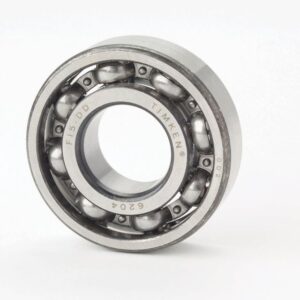
Ball bearings use spherical rolling elements positioned between an inner ring and an outer ring. The balls roll between the raceways, reducing friction and allowing shafts to rotate smoothly and efficiently.
Ball bearings are widely used in applications requiring high rotational speeds, reliable operation, and relatively low friction.
Common types of ball bearings include:
- Deep Groove Ball Bearings
- Angular Contact Ball Bearings
- Self-Aligning Ball Bearings
- Thrust Ball Bearings
2.2 Roller Bearings
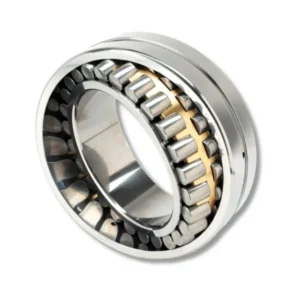
Roller bearings use cylindrical or specially shaped rolling elements instead of balls. Their larger contact area allows many roller bearing designs to accommodate higher radial loads than comparable ball bearings.
Depending on the roller design and application, roller bearings can be classified into several types:
- Cylindrical Roller Bearings
Designed primarily for high radial load capacity and demanding industrial applications. - Tapered Roller Bearings
Designed to accommodate combined radial and axial loads. They are widely used in automotive, industrial, and heavy-duty applications. - Spherical Roller Bearings
Designed to accommodate heavy radial loads, as well as axial loads, while also compensating for shaft misalignment. - Needle Roller Bearings
Feature long, thin rollers and provide high load capacity within a compact radial space.
How to Choose the Right Bearing
Selecting the right bearing is essential for achieving reliable machine performance, minimizing downtime, and extending equipment service life.
When choosing a bearing, important factors to consider include:
- Load type and capacity – Determine whether the application involves radial loads, axial loads, or combined loads.
- Operating speed – Select a bearing suitable for the required rotational speed.
- Operating temperature – Consider the temperature range and environmental conditions.
- Shaft and housing dimensions – Ensure the bearing fits correctly with the shaft and surrounding components.
- Lubrication requirements – Select an appropriate lubrication method and lubricant for the application.
- Misalignment and operating conditions – Consider vibration, shock loads, contamination, and shaft misalignment.
- Service life and maintenance requirements – Choose a bearing designed to provide the required operating life and reliability.
Choosing the correct bearing type and specification can significantly improve equipment efficiency, reduce maintenance requirements, and help prevent unexpected downtime.
Why Choose Timken Bearings?
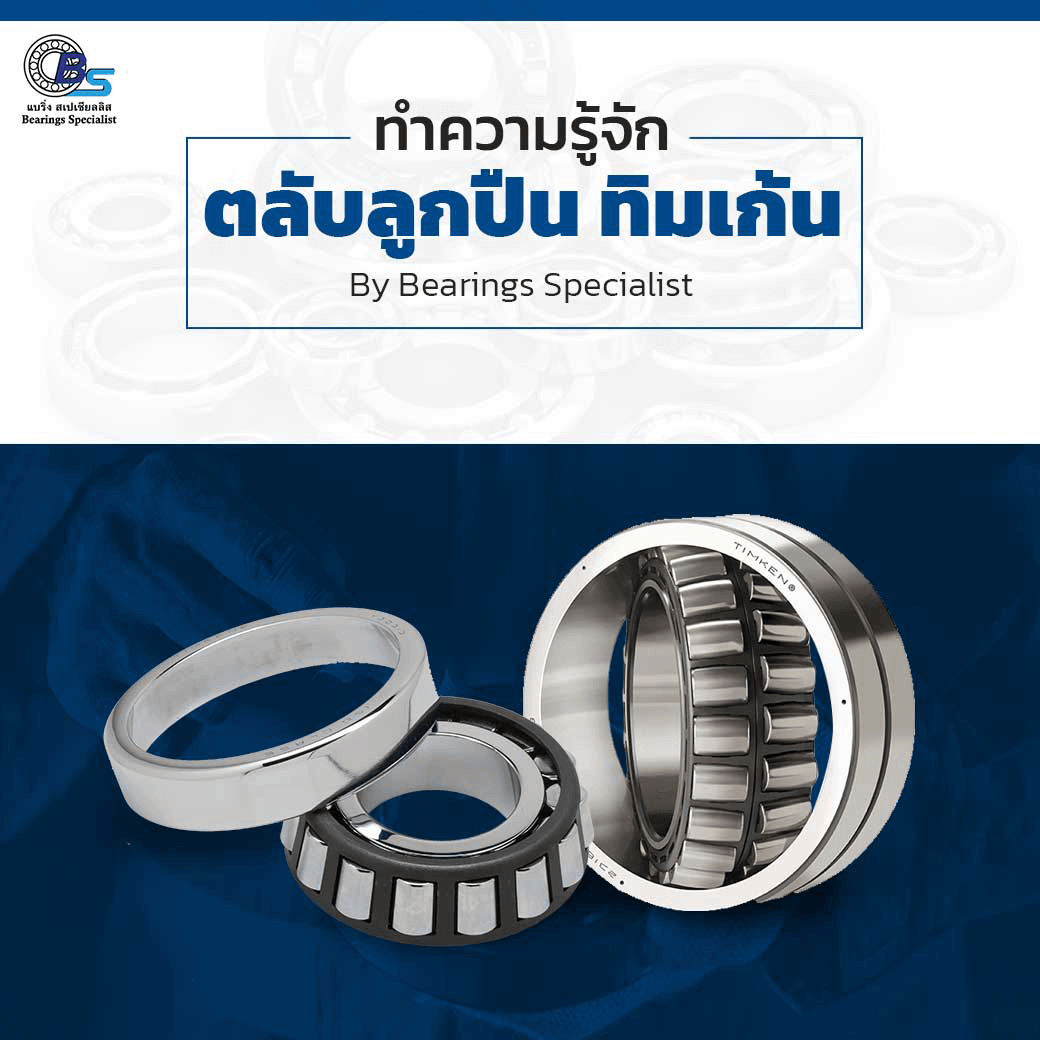
Timken is a globally recognized manufacturer of high-performance bearings and engineered power transmission products. With extensive expertise in bearing technology, Timken is particularly well known for its tapered roller bearings, which are designed to handle demanding radial and axial load conditions.
For industrial applications where reliability, precision, and durability are essential, selecting a high-quality bearing from a trusted manufacturer is an important part of maintaining equipment performance.
Bearings Specialist – Your Bearing and Power Transmission Partner
Founded in 1999, Bearings Specialist Co., Ltd. has built its reputation through dedicated service, technical expertise, and a commitment to understanding customers' industrial requirements.
We supply and distribute a comprehensive range of industrial power transmission products, including:
- Bearings
- Conveyor Chains
- Seals
- Power Transmission Belts
- Conveyor Belts
- Gears
- Couplings
- Gear Drives
- Maintenance and Industrial Tools
Today, Bearings Specialist offers a wide range of TIMKEN bearings for applications across various industrial sectors. Our team is ready to provide product information and technical guidance to help customers select the right bearing for their specific application.
Whether you are looking for Timken bearings, ball bearings, roller bearings, or other industrial bearing solutions, Bearings Specialist is ready to support your requirements with quality products and professional service.
Looking for genuine Timken bearings at competitive prices? Explore our range of Timken bearings or contact Bearings Specialist today.